World | Apr 04, 2026
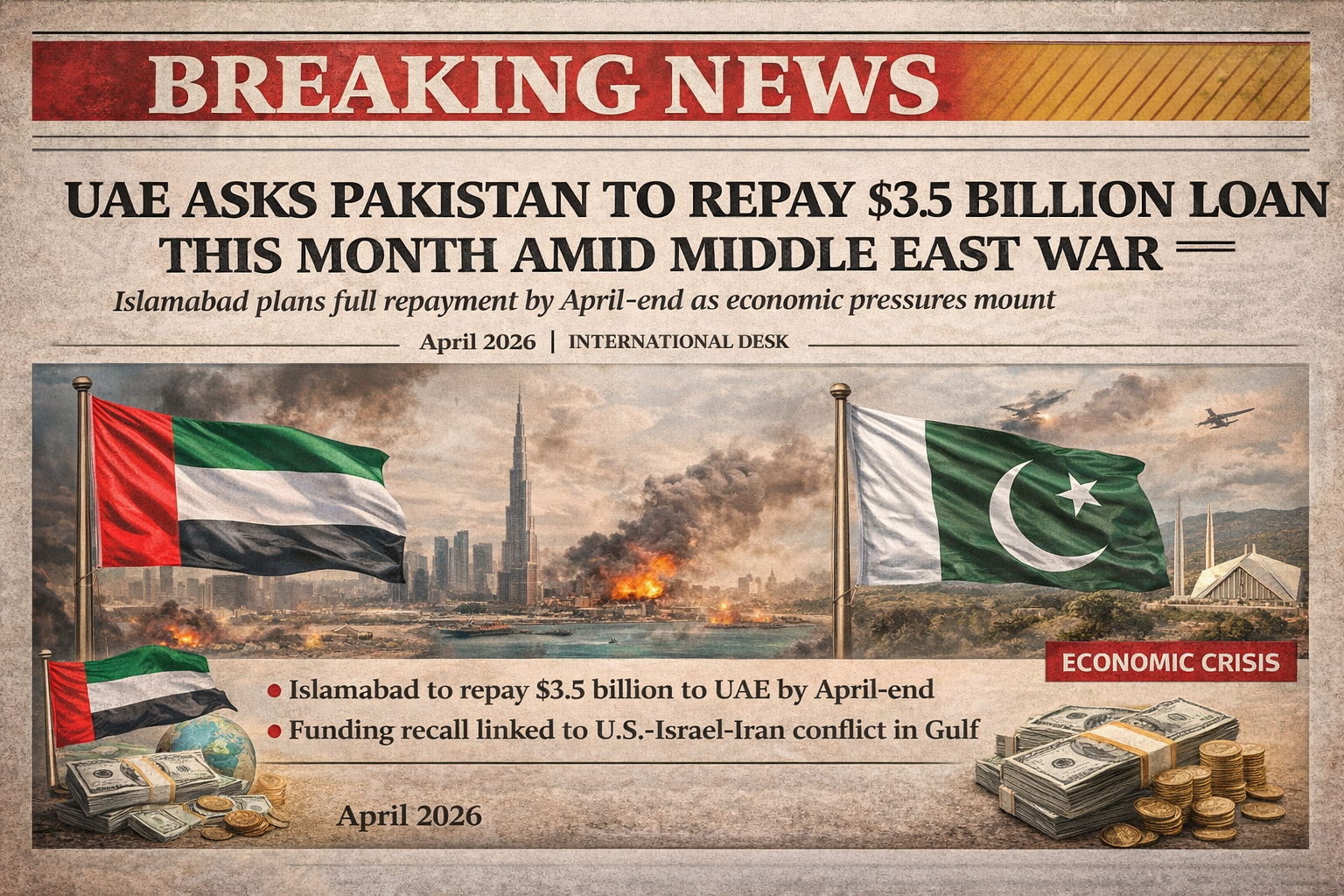
Islamabad plans full repayment by April-end as economic pressures mount
Amid rising geopolitical tensions in the Middle East, the United Arab Emirates (UAE) has asked Pakistan to repay loans worth $3.5 billion within April, placing additional pressure on Islamabadās already strained financial position.
According to reports, Pakistan has decided to clear the entire amount by the end of the month. The development was confirmed by a senior member of the Pakistani cabinet, indicating that arrangements are being made to meet the repayment deadline.
The demand for immediate repayment comes at a time when Pakistanās foreign exchange reserves remain heavily dependent on deposits from allied nations, while foreign investment inflows continue to show limited growth. Analysts warn that such a large outflow in a short span could further tighten the countryās liquidity position.
Sources suggest that the UAEās move is linked to the evolving security situation in the Gulf region amid the ongoing U.S.āIsraelāIran conflict. Heightened uncertainty has reportedly prompted the Gulf nation to reassess its financial exposure and seek the return of outstanding loans.
The repayment request underscores how geopolitical instability can directly influence economic relations and financial commitments between countries.
Pakistan is already navigating a delicate economic phase under the supervision of the International Monetary Fund (IMF). The country has been working to stabilize its economy through fiscal discipline, external financing, and structural reforms.
However, the obligation to repay $3.5 billion in a single month could complicate these efforts, especially at a time when the government is striving to maintain reserve levels and investor confidence.
Officials are reportedly exploring various financial channels to ensure timely repayment without triggering further economic stress. The move reflects Pakistanās intent to maintain credibility with key international partners, even under challenging circumstances.
Experts note that while honoring such commitments may strengthen diplomatic ties, it could also pose short-term risks to economic stability if not managed carefully.