Lifestyle | Dec 01, 2025
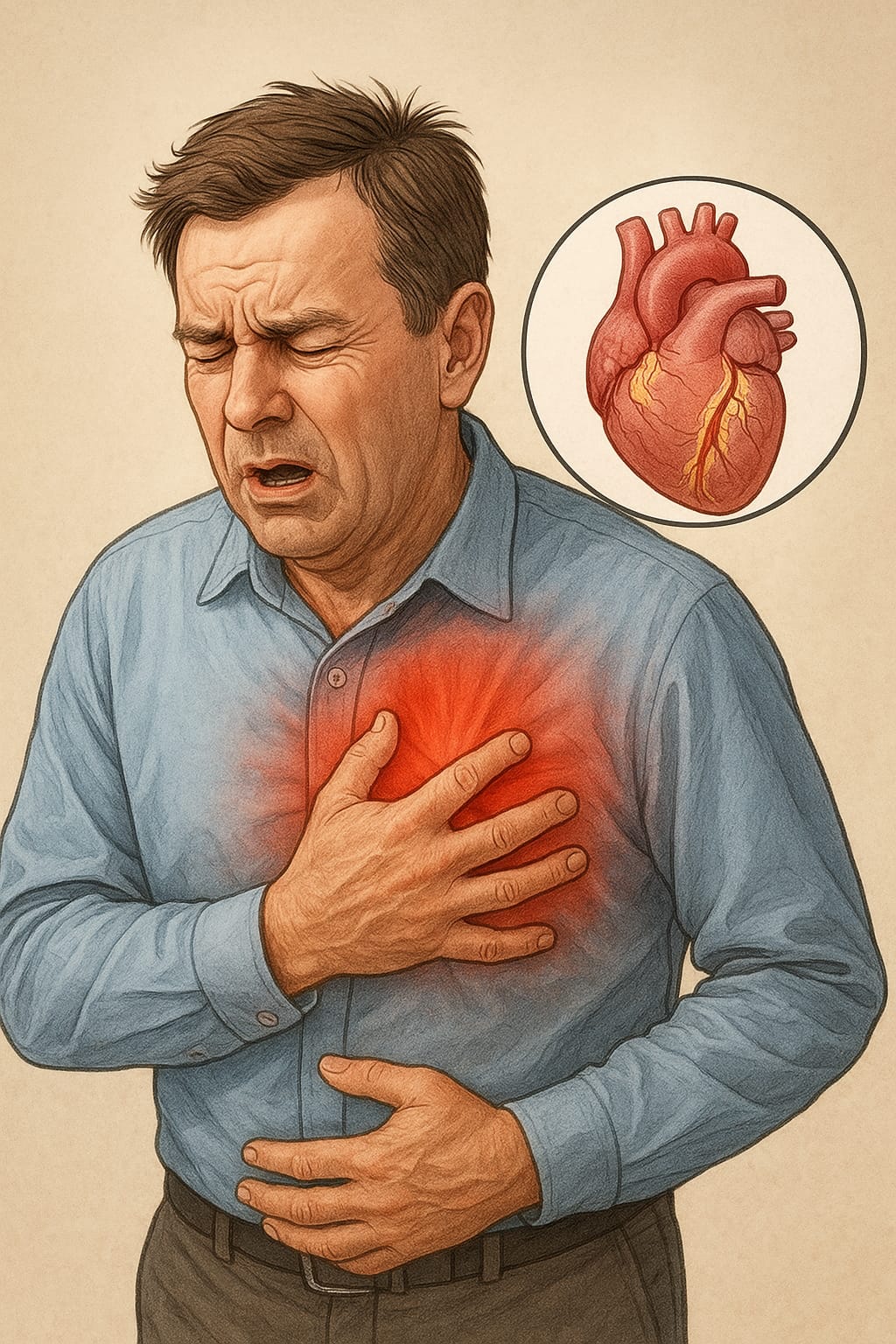
In a world where cardiovascular disease remains the leading cause of death, medical experts are once again urging citizens to adopt heart-healthy habits to reduce the risk of heart attacks - a condition that continues to strike without warning.
Doctors say heart attacks are largely preventable, and the steps required are simple, science-backed, and rooted in everyday lifestyle choices. According to leading cardiologists, controlling blood pressure, cholesterol and blood sugar remains the most effective shield against future cardiac events.
“Most patients who suffer heart attacks show early signs years before the attack actually happens. Prevention is far more powerful than emergency treatment,” a senior cardiologist at AIIMS said.
Regular physical activity - including brisk walking, cycling, yoga or swimming for at least 30 minutes a day - is one of the cornerstones of prevention. Experts warn that sedentary habits are fueling a spike in younger heart attack cases across India.
Equally critical is diet. Doctors recommend fresh fruits, vegetables, whole grains, nuts and heart-friendly proteins such as fish, while limiting refined foods, deep-fried items and sugary beverages. “Food is medicine for the heart. What you eat shows up directly in your arteries,” the doctor added.
Smoking, one of the biggest triggers of sudden cardiac events, remains a major concern. Cardiologists stress that quitting smoking - including passive exposure - cuts heart attack risk dramatically, regardless of age.
Stress management has also emerged as a key focus, with rising urban pressure and irregular sleep patterns contributing significantly to cardiac strain. Meditation, deep breathing and consistent sleep schedules are recommended to counter chronic stress.
Doctors also advise citizens above 40, or those with a family history of heart disease, diabetes or hypertension, to undergo annual cardiac screenings. Early detection, they emphasize, saves lives.
As India continues to witness a rise in lifestyle-related heart ailments, healthcare authorities are urging people to take preventive steps seriously. With small, sustained changes in daily routine, experts believe millions of heart attacks can be avoided each year.