BREAKING NEWS

PHYTOPLANKTON: THE OCEAN’S INVISIBLE LUNGS

Lifestyle   |   Dec 02, 2025

ENVIRONMENT SPECIAL REPORT (FNO): Largest Oxygen Producer on Earth: The Invisible Forest Beneath the Waves


When we think of oxygen, most of us picture vast tropical forests, lush green canopies, and towering ancient trees. But the largest oxygen producer on Earth is neither a forest nor a tree - it is something far more humble, yet infinitely more powerful.

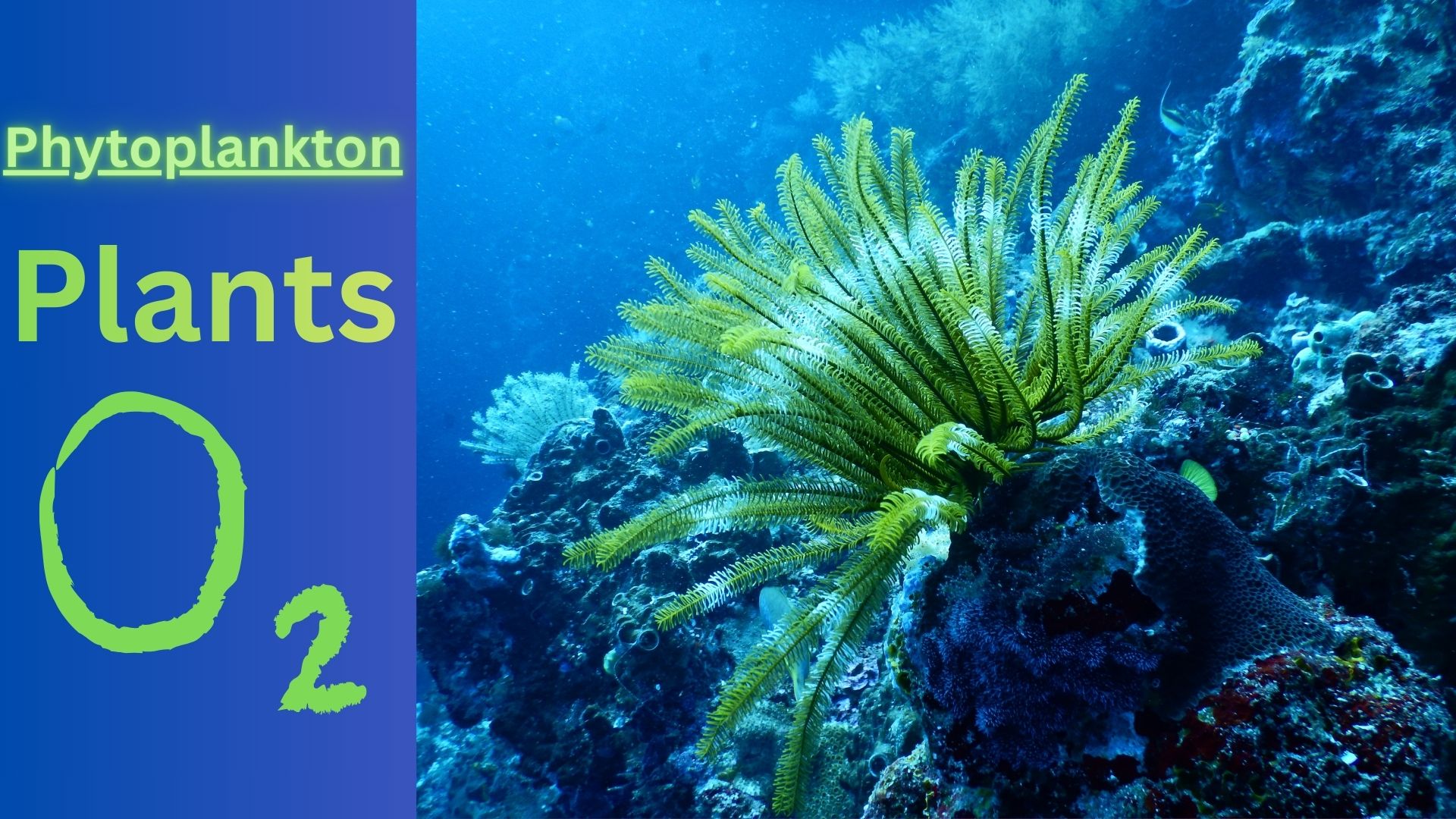
Tiny, microscopic, and drifting through the world’s oceans, phytoplankton are responsible for producing 50–70% of the planet’s oxygen -far more than all the world’s forests combined. These microalgae thrive in sunlit surface waters, converting sunlight into life-giving oxygen through photosynthesis.

Scientists often call them the “grass of the sea”, but in truth, they are the lungs of the planet. Without them, human life -and most marine life - would not survive.


On Land: Trees That Lead in Oxygen Production
While phytoplankton rules the oceans, Earth’s trees continue to play an essential role in oxygen generation and carbon absorption. Among them, some species stand out for extraordinary efficiency.


1. Peepal Tree (Ficus religiosa)

The Peepal tree is revered not only in culture but also in science. Unlike most plants, it can produce oxygen even at night through CAM photosynthesis, making it one of India’s highest oxygen-producing trees.


2. Banyan Tree (Ficus benghalensis)

With its vast canopy and iconic aerial roots, the Banyan tree is a natural giant of oxygen production. It also absorbs massive amounts of carbon dioxide, helping cleanse urban air.


3. Neem Tree (Azadirachta indica)

Known for its medicinal value, Neem is also an environmental hero — releasing abundant oxygen while filtering pollutants and improving air quality.


4. Areca Palm

A popular indoor plant, the Areca Palm is highly efficient at producing oxygen and increasing indoor humidity. It is recommended by environmentalists for improving home air quality.


5. Aloe Vera & Snake Plant

These hardy, low-maintenance plants produce oxygen even at night, earning them a place as top choices for bedrooms and indoor spaces.


As climate change intensifies, understanding our planet’s oxygen sources becomes critical. The oceans’ invisible producers and the land’s leafy giants together maintain the delicate balance of life on Earth.

Protecting phytoplankton through cleaner oceans and preserving oxygen-rich trees on land are not just environmental actions — they are acts of survival.

Because every breath we take begins either in the ocean… or beneath the shade of a tree.

Related News